
Client: National Park Service
Water & Air Research, Inc. (Water & Air) supported the National Park Service in restoring seagrass habitat damaged by vessel groundings at 10 sites along Arsenic Bank and Cross Bank in Everglades National Park. Working with our partners, the team implemented restoration activities between 2020 and 2021 and then conducted long-term monitoring to evaluate how the restored areas were recovering. This project was designed to help damaged seagrass habitats return to healthy, functioning marine ecosystems.
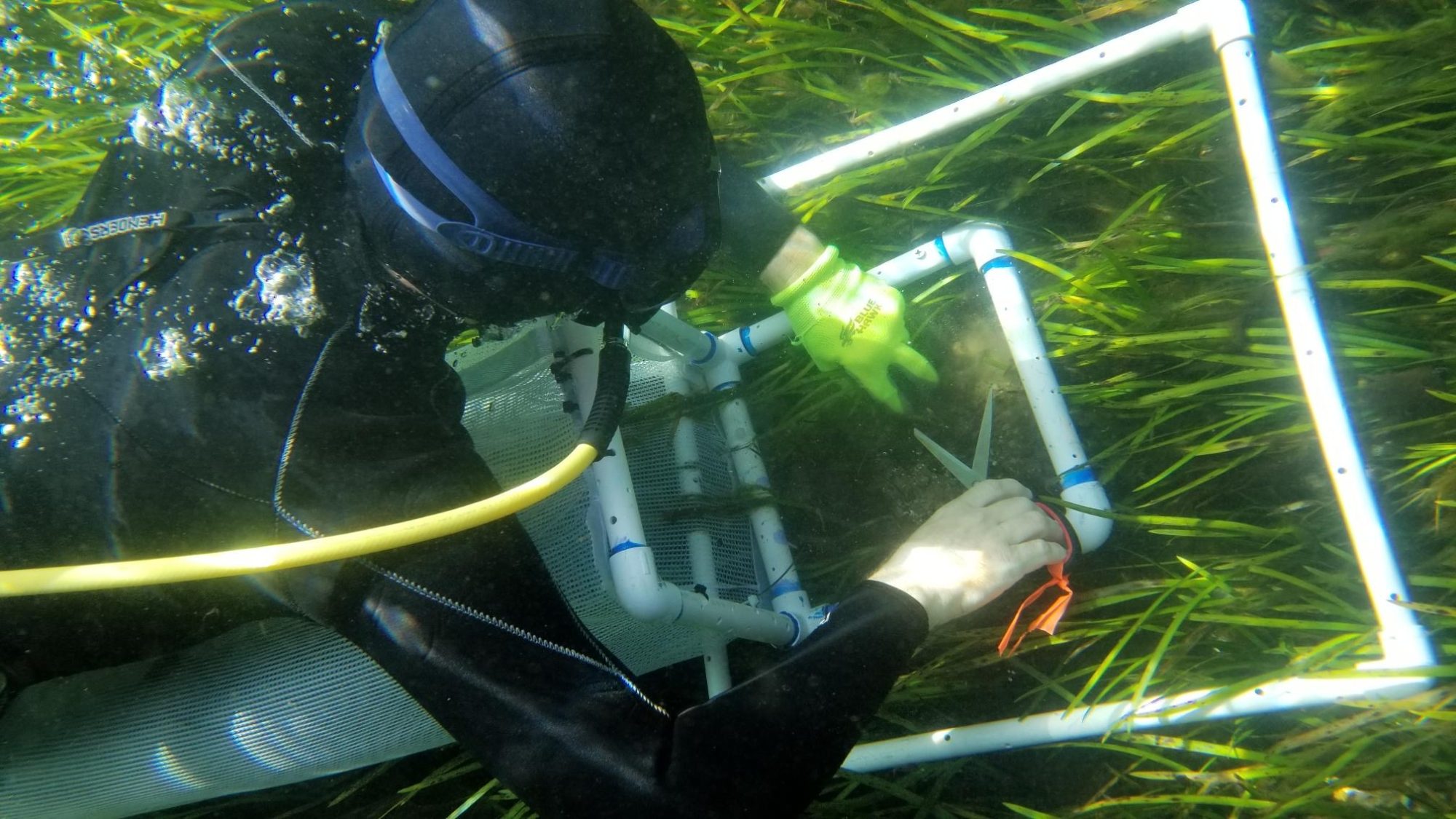
Following restoration, Water & Air and project partners monitored the sites over a five-year period to track changes in seagrasses, algae, corals, sponges, and other marine life. Monitoring was conducted at both restored areas and nearby undisturbed areas to provide a basis for comparison. Field teams used underwater surveys, photography, GPS mapping, and other techniques to document changes in the habitat and evaluate whether the restored areas were becoming more similar to surrounding natural seagrass communities.
The monitoring results show encouraging signs of recovery, particularly among seagrasses. Seagrass species found in the restored areas were also present in nearby healthy reference areas, indicating that seagrasses are naturally recolonizing the restored sites. Early-colonizing species were especially common, while the presence and coverage of longer-lived seagrass species increased over the course of the monitoring period. Overall, the differences between restored and reference areas became less pronounced over time, suggesting that the restored habitats are trending toward conditions more similar to their natural surroundings.
Recovery of algae, corals, sponges, and other marine organisms has been more gradual and variable. Tropical storms, algal blooms, changes in sediment, and unusually warm ocean temperatures can all influence marine habitat recovery and can slow the return of some species. Despite these challenges, the project has documented measurable progress and provides valuable information about the long-term recovery of seagrass habitat in Everglades National Park. The results demonstrate the importance of continued monitoring in understanding restoration success and supporting the protection of Florida’s valuable coastal ecosystems.